
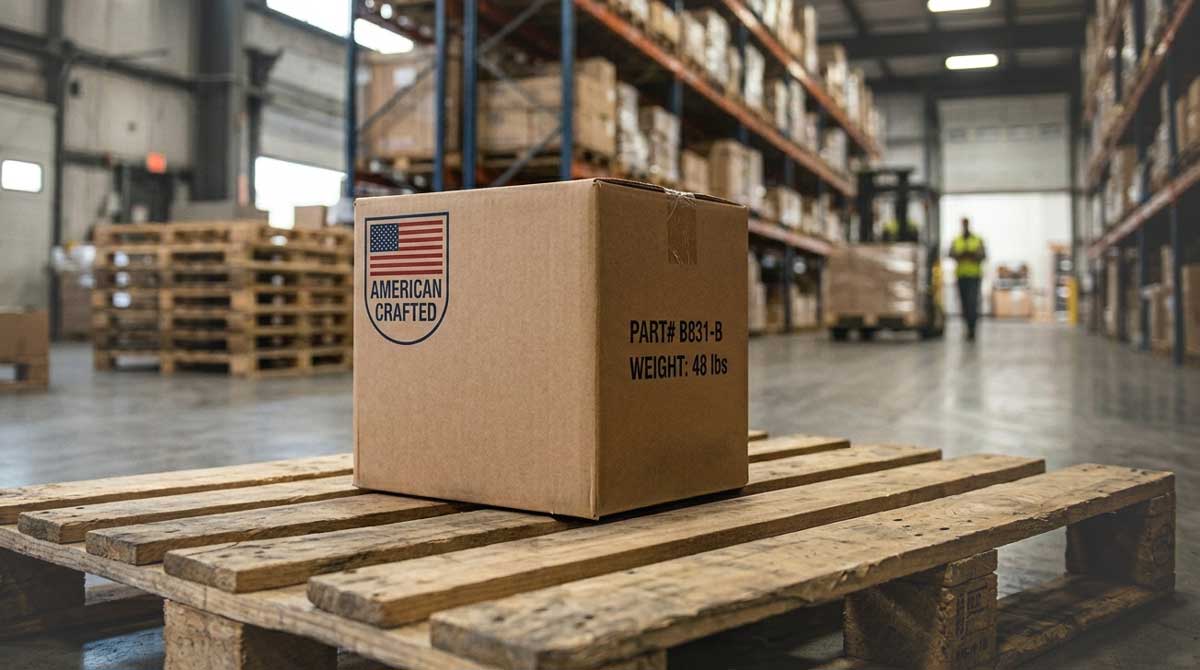
Wrapped in the Flag: The High Stakes of "Made in USA" Marketing
The American flag. It’s the ultimate marketing shortcut for “this won't break in twenty minutes” and “I support local jobs.” But before you slap Old Glory on your packaging and call it a day, you need to realize that the Federal Trade Commission (FTC) is watching you like a hawk with a law degree and a very expensive magnifying glass.
Marketing your product as "Made in USA" is a high-stakes game of "Truth or Dare," where the "dare" involves $50,000+ fines per violation and a public shaming that would make a Victorian orphan blush. Here’s how to wrap yourself in the flag without getting strangled by the red tape.

The Golden Rule: "All or Virtually All"
The FTC doesn’t do "mostly" or "kind of." To use an unqualified "Made in USA" claim (which includes the flag, maps of the States, or saying "Our products are American-made"), the product must be all or virtually all made in the United States. What does that mean in human speak?
- Final Assembly: The "last substantial transformation" must happen on U.S. soil.
- Significant Processing: The meat of the work has to happen here. You can't just screw a Chinese bolt into a Chinese nut in a warehouse in New Jersey and call it "Manufacturing."
- The Ingredient List: All or virtually all components must be sourced and made in the USA.
Pro Tip: If you're looking at a flowchart of your supply chain and you start sweating, you probably shouldn't use an unqualified claim.
The Leupold Lesson: A Tale of Optics and Ouchies
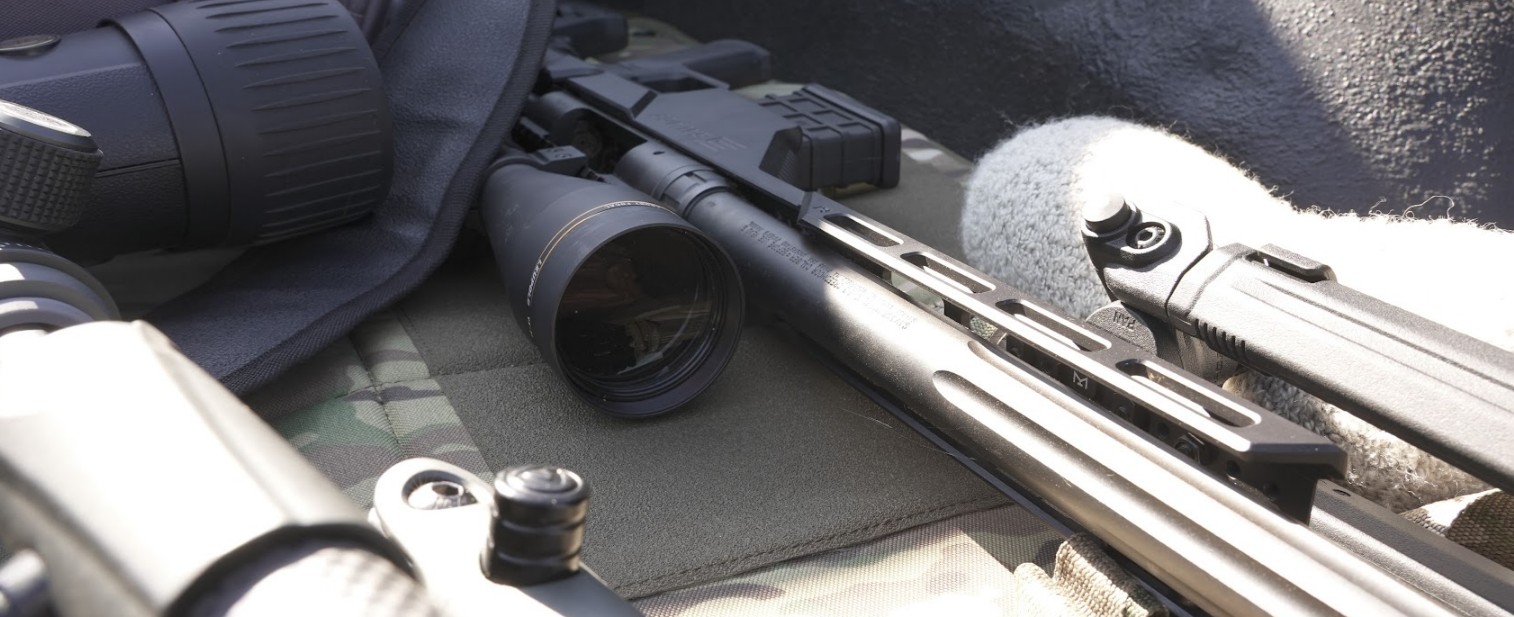
Let’s talk about Leupold & Stevens. They make world-class rifle scopes in Oregon. For years, they proudly stamped "Made in U.S.A." on their products. But there was a snag: glass.
While Leupold was doing the design, the machining, and the assembly in Beaverton, the high-end lens glass often came from overseas (because, let’s be real, the best optical glass usually comes from Germany or Japan). The FTC took a look and basically said, "Cool scopes, but if the thing that makes the scope a scope—the glass—isn't from here, you're fibbing."
Leupold didn't just pay a fine; they had to pivot their entire brand identity. They shifted to a qualified claim: "Designed, Machined, and Assembled in the USA." It’s wordy, sure. But it’s legal. It tells the consumer exactly what’s happening: "We did the hard work here, but we had to get the glass from elsewhere." Honesty: it’s the new black.
What is "Negligible" Content?
You don’t need to find an American source for the molecules of oxygen in your factory, but you do need to be careful. A "negligible" component is something that is:
- Low Cost: Usually a tiny fraction of the total manufacturing cost.
- Non-Essential: If the part is the "heart" of the product (like the motor in a vacuum or the glass in a scope), it is never negligible, even if it’s cheap.
Example: If you make a high-end grill in Georgia but the plastic knobs are from Mexico, you might get away with "Made in USA" because knobs don't make the grill cook. But if the burner is from Mexico? You're in qualified-claim territory, buddy.
Common "Oopsies" (Mistakes that lead to Fines)
- The Flag Trap: You think you're being clever by putting a tiny flag in the corner of your website next to "Headquartered in Ohio." The FTC sees that flag and assumes you're claiming the product is made here. If it isn't, they’ll come for you.
- The Supplier Pinky-Swear: You bought the parts from a guy in Chicago, so they’re American, right? Wrong. If that guy in Chicago imported them from overseas, they are foreign parts. You need to verify the origin, not just the invoice.
- "Assembled in USA" vs "Made in USA": Assembled is a "qualified" claim. It’s safer, but you still have to prove that substantial assembly actually happened here.
Why Bother? (The Upside)
If you can legally say it, say it loud.
- Premium Pricing: Consumers are often willing to pay a 10-20% premium for domestic goods.
- Trust Factor: In a world of "drop-shipped" junk, "Made in USA" is a signal of durability and accountability.
- Speed to Market: Local manufacturing means you aren't waiting for a container ship to get unstuck in the Suez Canal.
The Bottom Line
Don't be "Uncle Sham." If your product is a global mutt, own it. Use phrases like "Made in USA with global components" or "Proudly designed in Texas, manufactured in Vietnam." It’s better to be slightly less "patriotic" in your copy than to have the FTC treat your bank account like a piñata.