
The Inbox Divide: Stop Burning Your List in the Name of “Buy Now”
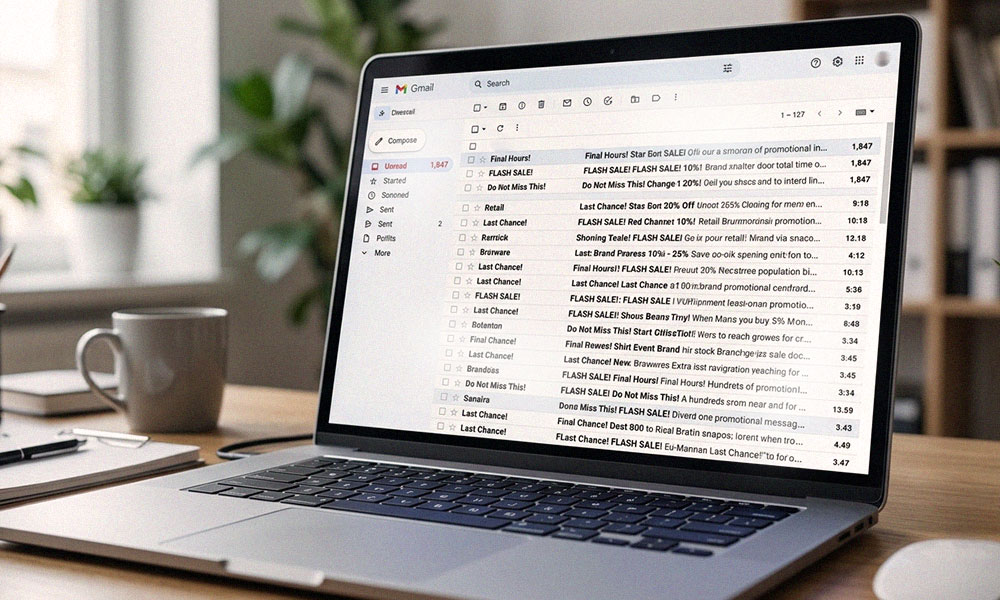
You’ve spent countless hours and thousands of dollars acquiring a customer. They finally buy. But the moment their credit card clears, you treat them like a lemon—squeezing every last drop of attention out of them until they hit "unsubscribe" just to get some peace.
This is the fastest way to burn your brand to the ground.
Many ecommerce brands look at their email system as a single mega-phone. They don't realize that email actually lives in two completely separate worlds: marketing emails and transactional emails. If you treat them the same, mix up their metrics, or ignore the legal boundaries between them, you aren't just annoying your customers—you're actively sabotaging your Customer Lifetime Value (LTV).
1. The Core Split: Intent and Action
The fundamental difference between these two categories comes down to who initiated the interaction.
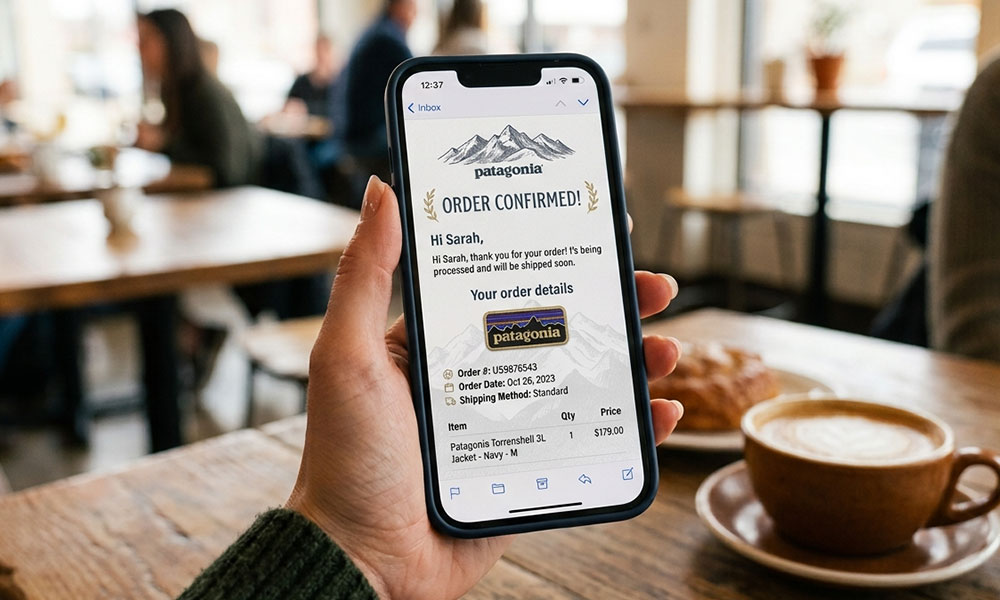
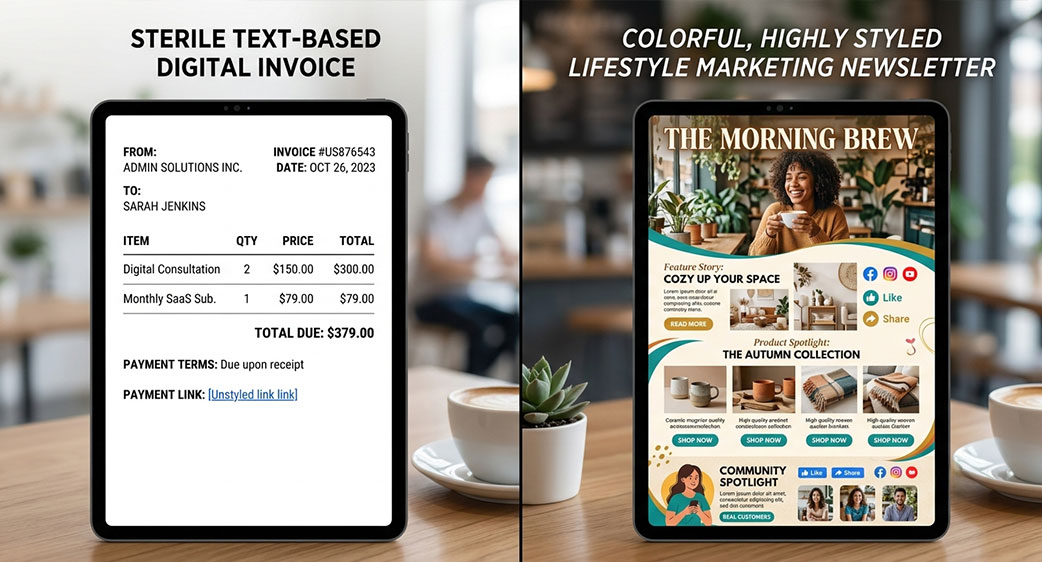
- Transactional Emails (The Reaction): These are triggered by the user's action. The customer buys a product, resets a password, or asks for a shipping update, and your system automatically fires off a response. The goal here is pure utility. The customer expects this email because they need the information inside it.
- Marketing Emails (The Proaction): These are triggered by your calendar. You have a summer sale, a new product drop, or a piece of content you want to push, so you broadcast it to a segment of your list. The customer didn't explicitly ask for this specific message today; you are interrupting their day to pitch an idea or an offer.
2. The Success Metrics that Actually Matter
Because the psychology behind these emails is completely different, tracking the exact same metrics for both will give you completely warped data.
Transactional Metrics: Focus on Delivery and Friction
A transactional email has one job: deliver information quickly and cleanly.
- Deliverability Rate (The North Star): If your order confirmations are landing in the spam folder, your customer service team is about to get slammed with "Where is my stuff?" tickets. You need this as close to 100% as humanly possible.
- Open Rates: These should be staggeringly high (often 60% to 80%). Why? Because people want their receipts. If this drops, you have a technical delivery problem, not a copywriting problem.
- Time-to-Deliver: If it takes 20 minutes for a password reset email to arrive, your user experience is broken.
Marketing Metrics: Focus on Intent and Revenue
A marketing email has to earn its keep by convincing a distracted human to take action.
- Click-to-Open Rate (CTOR): Don't just look at standard click-through rates. CTOR tells you what percentage of the people who actually opened the email found your content compelling enough to click. It measures real engagement.
- Revenue Per Email (RPE): The ultimate validator. If you blast 10,000 people and make fifty bucks, your message failed—no matter how clever your subject line was.
- Unsubscribe and Complaint Rates: Your warning light. If your unsubscribe rate spikes above 0.5% on a campaign, you’re hitting your list too hard, sending irrelevant content, or both.
The Golden Rule: The legal classification of an email is determined by its primary purpose. If a recipient would reasonably conclude the email is an advertisement, it’s a marketing email.
3. The Legal Line in the Sand
This isn't just about good marketing hygiene; it's about staying out of court. Under laws like the CAN-SPAM Act in the U.S. (and even stricter regulations like GDPR in Europe), the legal requirements for these two message types are night and day.
The Marketing Rules
Every single marketing email must include:
- A clear, functional unsubscribe link that works within 10 business days.
- Your physical, valid corporate postal address.
- A truthful subject line (no clickbait that misleads the user about what’s inside).
The Transactional Exception
True transactional emails are largely exempt from the opt-out requirements of CAN-SPAM. You do not legally have to include an unsubscribe link on an invoice or a shipping update. Why? Because the customer needs that operational data.
The Trap: Many marketers try to sneak a massive product pitch into an order confirmation email. If the commercial content overpowers the transactional content, the law treats it as a marketing email. If that customer had previously opted out of your marketing list, you just committed a compliance violation. Keep your transactional emails focused on the transaction.
4. Brand Equity vs. List Annihilation
There is a toxic trend in ecommerce right now: treating your email subscriber list like a cash cow you intend to butcher. Brands blast their lists three times a day with high-anxiety "BUY NOW OR GET OUT" messaging.
Sure, your revenue might spike for a week. But look at what happens next: your unsubscribe rates skyrocket, your deliverability tanks as users mark you as spam, and your brand equity goes up in smoke. You’ve traded long-term relationship building for a short-term hit of cash.
Building true customer loyalty and maximizing Customer Lifetime Value (LTV) means recognizing that the spaces between your sales pitches matter just as much as the pitches themselves.
Think of email as a conversational bank account. Every transactional email that arrives instantly with clear information is a small deposit of trust. Every high-value, educational marketing email is a deposit. Every aggressive, discount-slashing sales pitch is a withdrawal. If you only ever make withdrawals, you’ll eventually overdraw the account, and the customer will leave.
The Reality Check
Stop trying to extract value from your list, and start focusing on exchange. Treat your transactional emails like the premium customer service touchpoints they are, and treat your marketing emails like an invitation to a relationship—not a demand for their wallet. The market is too loud for noisy brands to survive long-term.